Understanding the Psychological Draw of Gambling
The allure of high-stakes casino contests often stems from a complex interplay of psychological factors. For many, the thrill of gambling is rooted in the pursuit of excitement and the potential for significant financial gain. This is often amplified by the inherent unpredictability of the outcomes, and it’s here that understanding resources like spin-it.org.uk can be beneficial for those navigating the psychological impact of such pursuits. The human brain is wired to seek novelty and reward, and the rush of adrenaline associated with a potential win can be incredibly compelling.
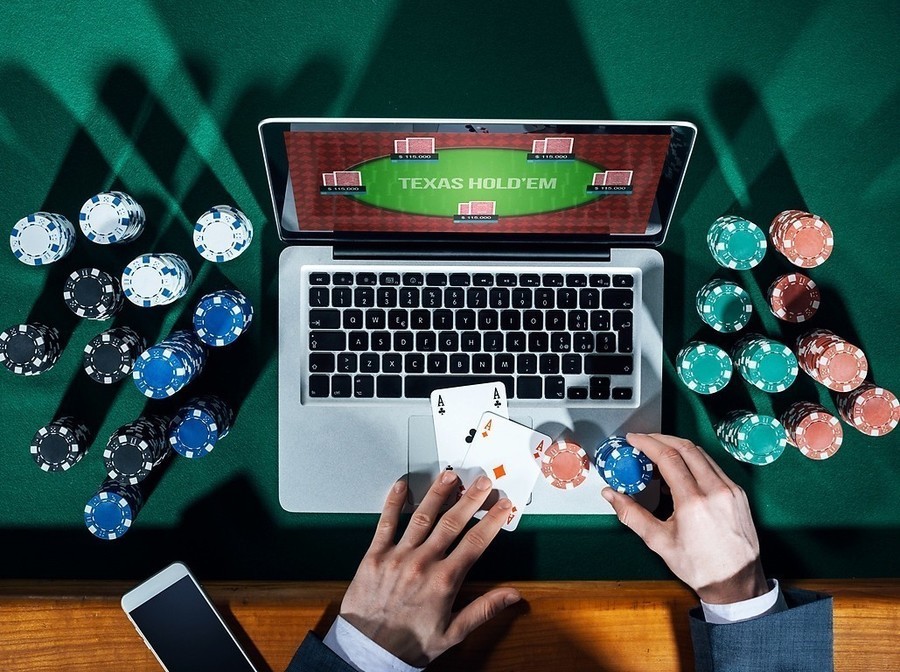
Furthermore, gambling can offer an escape from everyday stressors. The immersive nature of a casino environment, with its flashing lights, sounds, and focused activity, can transport individuals away from their worries. This escapism, coupled with the hope of changing one’s circumstances through a lucky win, creates a powerful psychological draw that is difficult to resist for some.
The Social and Cultural Fabric of Casino Contests
Beyond individual psychology, gambling and casino contests are woven into the social and cultural fabric of many societies. Historically, casinos have been centers of entertainment and social interaction. High-stakes games, in particular, can attract a specific demographic seeking not only the chance for financial reward but also the prestige and social status associated with participating in exclusive events.
The narrative surrounding gambling is often romanticized in popular culture, further enhancing its appeal. Movies, books, and stories frequently depict the glamorous lifestyle and thrilling moments associated with high-stakes play, creating an aspirational image that draws people in. This cultural reinforcement makes the idea of a grand casino contest seem like an exciting possibility.
Risk Assessment and Decision-Making in Gambling
At the heart of any high-stakes casino contest lies a critical element of risk assessment and decision-making. Players constantly evaluate probabilities, weigh potential losses against potential gains, and make choices under pressure. This process can be intellectually stimulating for some, akin to a strategic game where skill and luck combine.
However, the perception of risk can be distorted by cognitive biases. For instance, the “near miss” phenomenon, where a player comes close to winning, can increase their desire to continue playing, even when the odds are unfavorable. Understanding these cognitive distortions is crucial for anyone engaging in high-stakes gambling, and it’s a key consideration in responsible gambling initiatives.
The Role of Strategy and Skill in Casino Games
While many casino games are based primarily on chance, certain high-stakes contests do involve elements of strategy and skill. Games like poker, for example, require players to read their opponents, manage their betting, and employ tactical thinking to gain an advantage. This layer of complexity adds another dimension to the appeal, attracting individuals who enjoy outmaneuvering others.
Even in games of pure chance, players often develop perceived strategies or superstitions. While these may not alter the fundamental odds, they can provide a sense of control and engagement. The belief that one can influence outcomes through careful observation or specific actions adds to the captivating perspective of the game.

Spin-it.org.uk: Navigating Gambling’s Impact on Well-being
The captivating allure of high-stakes casino contests, while understandable, can sometimes lead to challenges with mental health and well-being. Platforms like spin-it.org.uk play a vital role in offering support and resources for individuals who may be experiencing difficulties related to gambling or other aspects of their mental health.
spin-it.org.uk is dedicated to providing accessible information and guidance for those seeking to understand and manage their mental well-being. They offer insights into various coping mechanisms, self-care strategies, and pathways to professional support. Recognizing the psychological pressures that can arise from activities like high-stakes gambling, their mission is to empower individuals with the knowledge and tools necessary to foster a healthier and more balanced life.